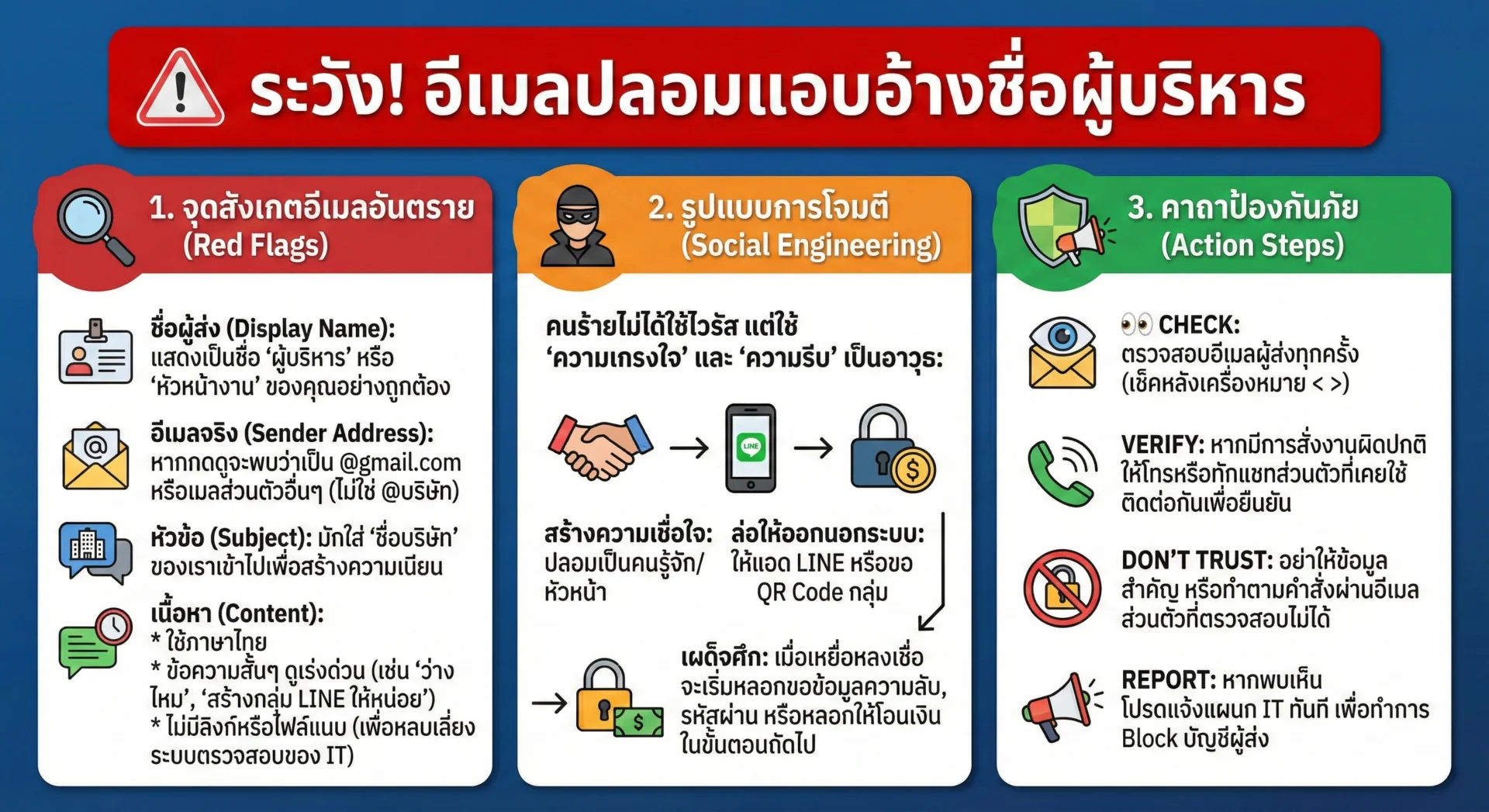
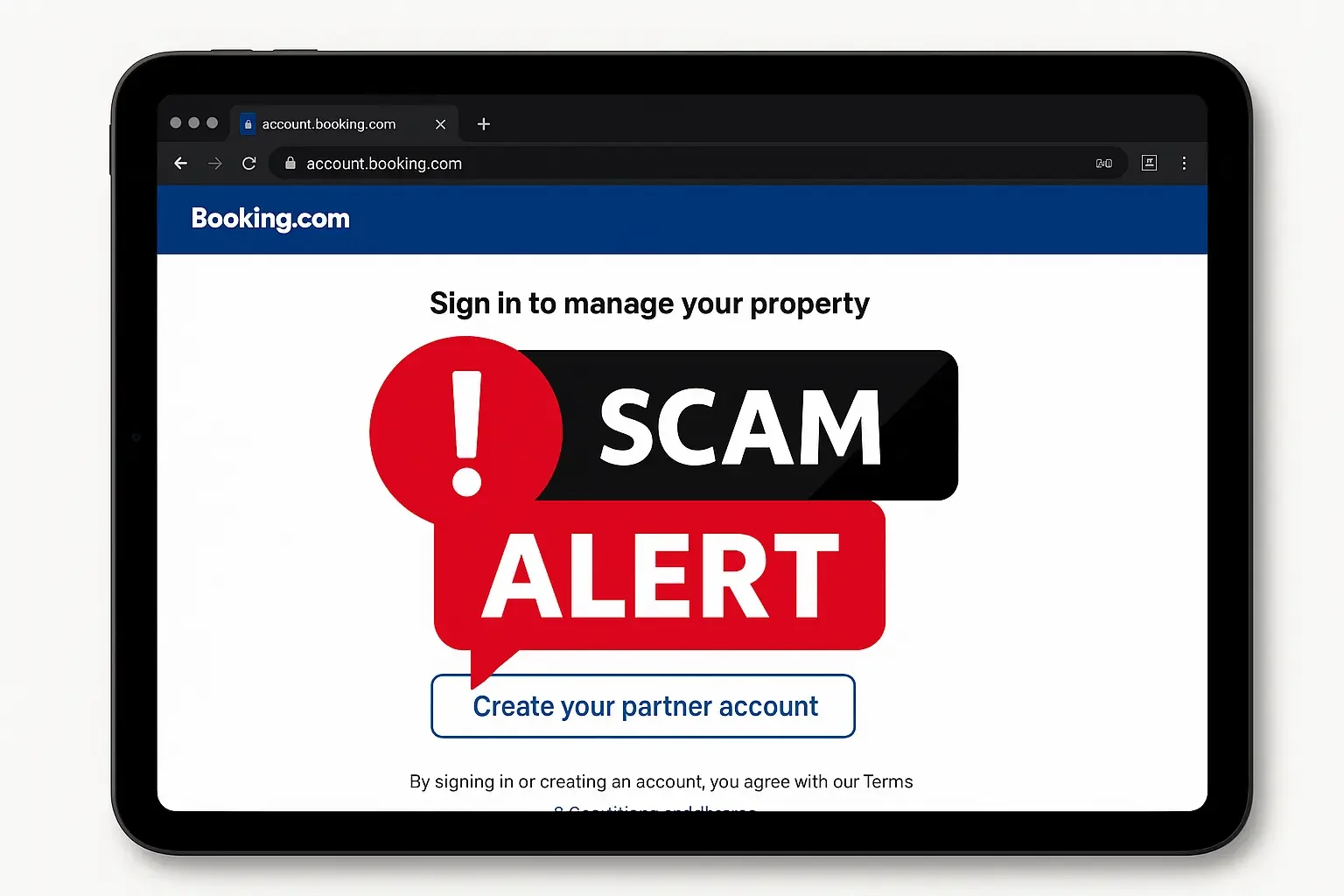
Scammers often impersonate Booking.com and send fake email alerts, such as customer complaints. Their goal is to trick recipients into clicking on malicious links or downloading malware-laden attachments using social engineering techniques.
Running a business in this era of rapidly advancing technology, taking appropriate measures to prevent email problems is not only important. This document outlines the measures required for organizations to secure their data and email communications.
Email extortion, or email blackmail, is one of the most common tactics used by malicious individuals to intimidate email owners or recipients into complying with their demands. This article delves into the characteristics of extortion emails, how attackers employ this technique to intimidate individuals, and provides tips on how to avoid falling victim to email extortion.
Phishing attacks targeting human resources (HR) or accounting departments are a problem that many companies face. This type of attack aims to steal identities, financial information, or create confusing situations within organizations. This article examines why phishing is focused on HR or accounting departments.
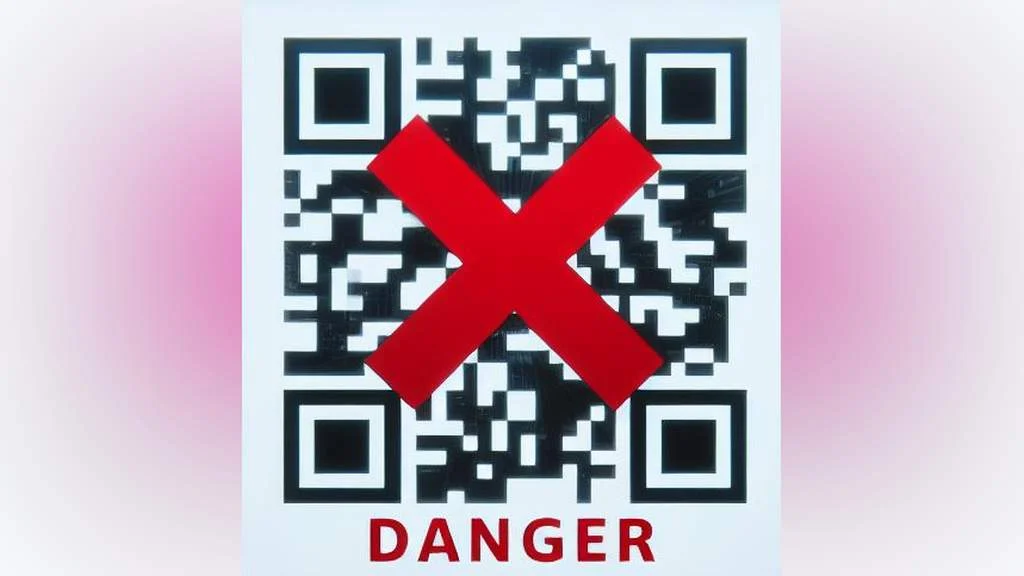
Receiving unsolicited email or spam information via QR-Code format is a current problem. Content that appears as a QR-Code may sometimes be a link to a website that is compromised or contains inappropriate content. Detecting and preventing spam that includes QR-Code is important to maintain user safety.